Health and Safety Policy for Gardeners in Chessington
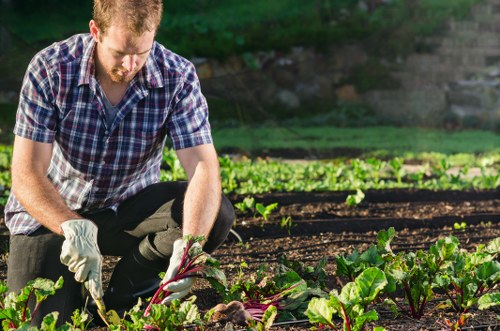 Gardeners in Chessington work in varied environments, from private lawns and planted borders to hedges, patios, and communal outdoor spaces. A clear health and safety policy helps ensure that every task is carried out with care, consistency, and respect for people, property, and the wider environment. This policy sets out the standards expected from gardening teams so that routine maintenance, seasonal work, and specialist outdoor tasks are completed safely and responsibly.
The purpose of this policy is to reduce risk, support good working practices, and protect everyone involved in or affected by gardening operations. Whether the work involves pruning, mowing, clearing green waste, lifting materials, or using powered tools, the principles remain the same: plan ahead, assess hazards, use equipment correctly, and maintain a tidy, controlled work area.
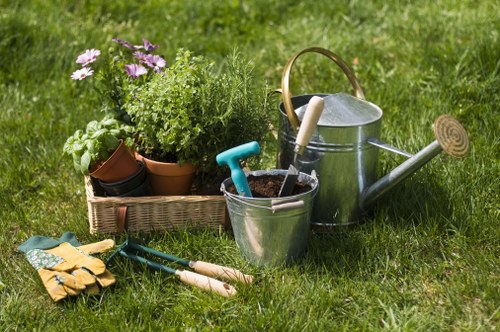 This approach applies to all Chessington gardeners and anyone carrying out gardening duties on their behalf. It covers risk awareness, safe use of tools, personal protective equipment, manual handling, incident reporting, and the management of chemicals and waste. A strong safety culture is not limited to major jobs; it is equally important during everyday garden maintenance, where small oversights can still lead to injury or damage.
Core Safety Principles
All gardening activities should begin with a basic site check. The working area should be assessed for trip hazards, unstable surfaces, overhead obstructions, wildlife nests, hidden debris, slippery ground, and the presence of children, pets, or visitors. Garden safety in Chessington depends on identifying risks before work starts and adjusting the method of work where needed. If conditions change during the day, the assessment should be reviewed and updated.
Personal protective equipment must be selected according to the task. Gloves, safety footwear, eye protection, hearing protection, and weather-appropriate clothing may be required depending on the job. PPE should fit properly, be kept in good condition, and be worn whenever the task presents a recognised risk. Protective equipment does not replace safe working methods; it supports them.
Tools and machinery must be checked before use, maintained regularly, and operated only by trained or competent users. Blades, cords, handles, switches, and guards should be inspected for wear or damage. Any defective equipment must be removed from service immediately. Powered gardening equipment, including mowers, trimmers, hedge cutters, and blowers, should be used with full attention and only for its intended purpose.
Safe Working Practices
 Manual handling is a key consideration in garden maintenance. Bags of soil, compost, stones, plants, and waste can be awkward or heavy, especially when carried across uneven ground. Safe lifting techniques should always be used, and loads should be split into smaller quantities wherever possible. Team lifting is recommended for bulky or difficult items, while mechanical aids should be considered for repeated or heavy movements.
Working at Height and Handling Materials
When tasks involve ladders, steps, or elevated access, the equipment must be suitable, stable, and used in accordance with safe working procedures. Ladders should only be used for short-duration, light-duty work, and a second person may be needed to steady the base or manage the work area. Overreaching should be avoided, and work should be paused if the surface becomes wet, unstable, or unsafe.
Chemical products, such as fertilisers, weed control products, and pest treatments, must be handled carefully and stored securely. Labels and instructions should always be followed, and products must never be mixed unless permitted by the manufacturer. Any spill should be contained promptly, and waste materials should be disposed of in line with accepted safety and environmental practice. Gardeners should wash hands after handling such products and avoid eating or drinking until hygiene has been maintained.
Incident Prevention and Emergency Response
Weather conditions can affect every aspect of garden work. Wet ground, high winds, extreme heat, frost, or poor visibility can increase risk and may require work to be delayed, reduced, or rearranged. Health and safety for gardeners is strengthened when decisions are made with conditions in mind rather than following a fixed routine regardless of risk. Hydration, sun protection, and suitable clothing should be considered in hot or cold weather.
Waste management is also part of the safety process. Cuttings, broken branches, soil waste, and packaging should be collected promptly to prevent slips, obstruction, or pest attraction. Sharp material such as canes, thorns, and broken glass must be handled with caution. Where recycling or green waste separation is in place, materials should be sorted cleanly and stored safely until removed.
If an accident, near miss, or equipment failure occurs, it must be reported and recorded according to internal procedure. First aid support should be available when work is carried out, and emergency arrangements should be known before the job begins. 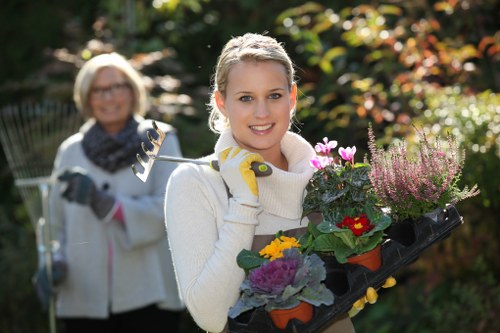 Gardening safety standards rely on prompt action, clear communication, and willingness to stop work when conditions are unsafe.
Responsibilities and Ongoing Review
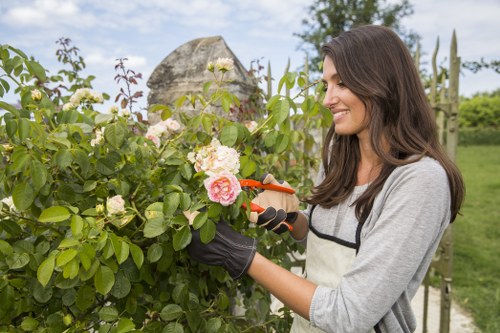 Everyone involved in garden maintenance has a responsibility to act safely, follow instructions, and look out for hazards that may affect others. Supervisors or team leaders should ensure that equipment is suitable, tasks are properly planned, and workers understand the risks involved. Individual gardeners should remain alert, avoid rushing, and report concerns as soon as they arise.
This policy should be reviewed regularly to reflect changes in working methods, equipment, seasonal risks, and legal or industry expectations. Ongoing review helps maintain a practical and effective safety standard for all forms of garden maintenance in Chessington. By working carefully, using the right equipment, and applying sound judgement, gardening teams can deliver reliable results while protecting people, property, and the outdoor spaces they care for.